
How to Prepare Your Roof for Fall in Nebraska: An End-of-Summer Maintenance Checklist

Introduction
As summer comes to an end, many Nebraska homeowners begin thinking about back-to-school schedules, cooler temperatures, and preparing their homes for fall. One area that often gets overlooked is the roof.
Your roof has spent months enduring intense sunlight, heavy rain, hailstorms, and strong winds. Addressing small issues now can help prevent larger, more expensive problems once fall and winter weather arrive.
This checklist will help you identify common roofing maintenance tasks that can extend the life of your roof and protect your home throughout the changing seasons.
Why End-of-Summer Roof Maintenance Matters
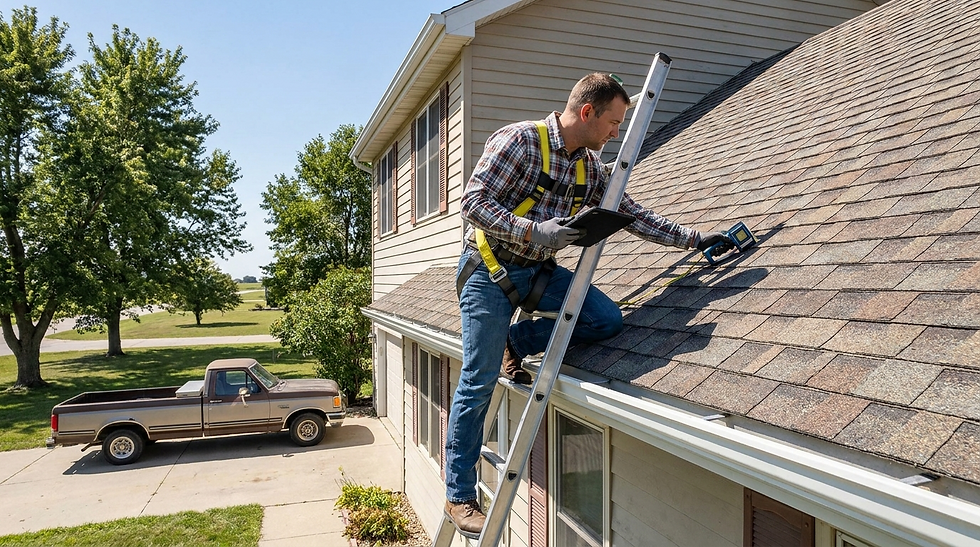
Late summer is one of the best times of year to inspect your roof.
By addressing minor issues before cooler weather arrives, homeowners can reduce the risk of leaks, structural damage, and emergency repairs during fall and winter.
Routine maintenance also helps maximize the lifespan of roofing materials and provides peace of mind before Nebraska's unpredictable weather returns.
7 Essential Roof Maintenance Tips Before Fall
1. Inspect Your Roof
Look for:
Missing shingles
Curling shingles
Cracked flashing
Loose vents
Visible storm damage
Even small issues should be addressed before temperatures begin to drop.
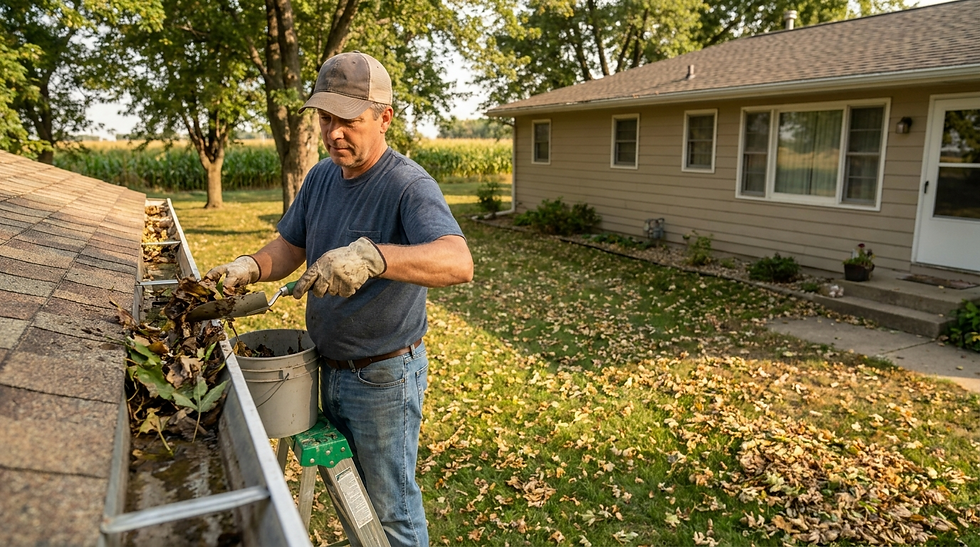
2. Clean Your Gutters
Leaves, sticks, and debris can block gutters and prevent water from draining properly.
Overflowing gutters can contribute to roof leaks and foundation problems.
3. Check Flashing Around Roof Penetrations
Inspect flashing around:
Chimneys
Skylights
Plumbing vents
Damaged flashing is one of the most common causes of roof leaks.
4. Replace Damaged Shingles
Summer storms may have loosened or damaged shingles without creating immediate leaks.
Replacing damaged shingles early helps prevent moisture intrusion.
5. Trim Nearby Trees
Branches hanging over the roof can:
Scratch shingles
Drop debris
Break during storms
Increase the risk of roof damage
Keeping trees trimmed reduces these risks.
6. Check the Attic
Signs of roofing issues often appear inside the attic before they become visible elsewhere.
Look for:
Water stains
Mold
Damp insulation
Daylight entering through the roof
7. Schedule a Professional Roof Inspection
A professional inspection can identify hidden issues that may not be visible from the ground.
Inspections are especially valuable after a summer of storms and before colder weather arrives.
Common Roofing Problems That Begin in Late Summer
Many roofing problems develop slowly.
Common issues include:
Small leaks
Flashing deterioration
Granule loss
Storm damage
Gutter blockages
Addressing these issues early helps avoid larger repair bills later.
Why Preventative Maintenance Saves Money
Preventative maintenance is one of the most cost-effective investments a homeowner can make.
Routine inspections and small repairs can help:
Extend roof lifespan
Reduce emergency repairs
Improve energy efficiency
Protect interior spaces
Preserve property value
Why Homeowners Choose Rocket Roofing
Rocket Roofing proudly serves homeowners throughout Omaha and surrounding Nebraska communities.
Our services include:
Roof inspections
Roof repairs
Storm damage assessments
Roof replacements
Insurance claim assistance
We believe proactive maintenance is the best way to help homeowners avoid unexpected roofing expenses.

Conclusion
Preparing your roof for fall doesn't have to be complicated.
A few preventative maintenance steps today can help protect your home throughout the changing seasons and reduce the likelihood of costly repairs later.
If your roof hasn't been inspected since spring or summer storms, now is an excellent time to schedule a professional evaluation.
FAQs
1. When should I inspect my roof before fall?
Late summer or early fall is the ideal time to inspect your roof before colder weather arrives.
2. Why is gutter cleaning important for roof maintenance?
Clean gutters allow rainwater to drain properly, reducing the risk of roof leaks and water damage.
3. Should I replace a few damaged shingles right away?
Yes. Even minor shingle damage can allow moisture to enter your roofing system.
4. How often should I have my roof professionally inspected?
Most homeowners should schedule a professional roof inspection at least once a year and after major storms.
5. Can preventative roof maintenance save money?
Yes. Routine maintenance often prevents expensive repairs by identifying small issues before they become major problems.

Comments