
How Nebraska Spring Storms Damage Roofs: 7 Signs You Need an Inspection Before Summer
Updated: Jun 8

Introduction
Spring in Nebraska brings warmer temperatures, longer days, and unfortunately some of the most severe weather of the year. High winds, hailstorms, heavy rain, and sudden temperature changes can all take a toll on your roofing system.
Many homeowners assume their roof is fine because there are no obvious leaks. However, storm damage is often hidden and can worsen over time. Identifying problems early can help you avoid costly repairs and extend the life of your roof.
In this guide, we'll cover seven common signs of storm-related roof damage and explain why a professional inspection before summer is one of the smartest investments a Nebraska homeowner can make.
Why Nebraska Spring Storms Are Tough on Roofs

Nebraska consistently experiences severe spring weather that can impact residential roofing systems. Strong winds can lift shingles, hail can bruise roofing materials, and heavy rain can exploit small weaknesses that eventually become major leaks.
Even newer roofs can suffer damage from repeated storms. The combination of wind, moisture, and hail often creates problems that aren't immediately visible from the ground.
That's why many roofing professionals recommend scheduling an inspection after major spring storms, even if your roof appears intact.
7 Signs Your Roof May Have Storm Damage
1. Missing or Damaged Shingles
One of the most obvious indicators of storm damage is missing, cracked, curled, or lifted shingles.
After strong winds, inspect your roof from the ground and look for:
Missing shingles
Loose edges
Curled corners
Exposed roofing materials
When shingles become compromised, water can penetrate the roofing system and cause damage to decking and insulation.
2. Hail Impact Marks
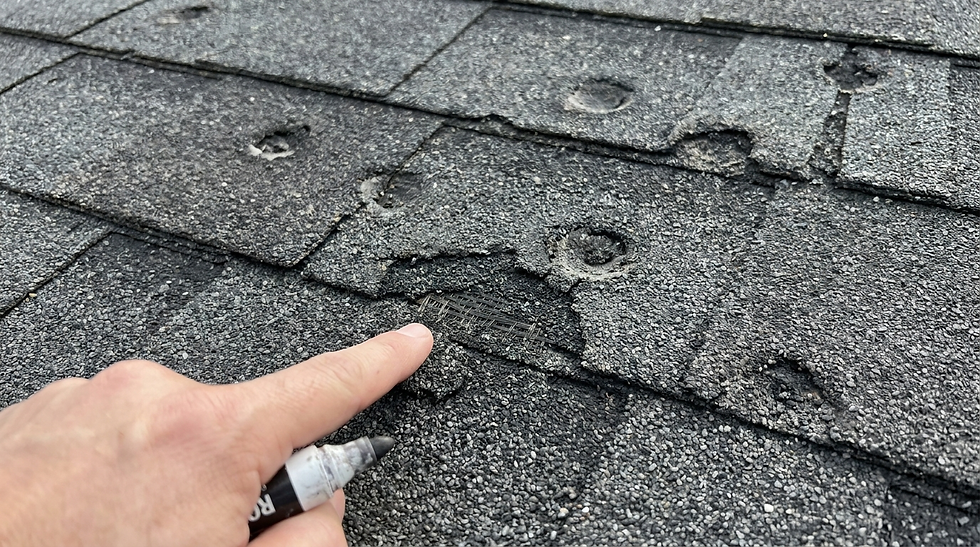
Hail damage is one of the most common roofing issues in Nebraska.
Signs of hail damage include:
Dark spots on shingles
Circular dents
Soft spots when inspected by a professional
Damage to gutters, siding, or metal roof components
Even small hailstones can reduce the lifespan of your roof and increase the risk of leaks.
3. Granule Loss
Asphalt shingles contain protective granules that shield the roof from UV rays and weather exposure.
After a storm, you may notice:
Excessive granules in gutters
Bare spots on shingles
Uneven roof coloring
Granule loss weakens shingles and accelerates roof deterioration.
4. Damaged Flashing
Roof flashing protects vulnerable areas around chimneys, vents, skylights, and roof valleys.
Storms can cause flashing to:
Bend
Crack
Separate from the roof
Develop gaps
Damaged flashing often becomes a major source of water intrusion.
5. Leaks or Water Stains
Interior water damage is often the first sign homeowners notice.
Look for:
Water stains on ceilings
Peeling paint
Mold growth
Damp attic insulation
Even small stains can indicate significant roofing problems that require immediate attention.
6. Gutter and Downspout Damage

Your gutters play an important role in protecting your roof and foundation.
After a storm, inspect for:
Dents from hail
Loose sections
Sagging gutters
Detached downspouts
Gutter damage often indicates that your roof may have experienced similar impacts.
7. Debris and Tree Damage
Nebraska storms frequently bring strong winds capable of breaking branches and sending debris onto rooftops.
Watch for:
Fallen branches
Impact marks
Damaged shingles
Cracked roof components
Even seemingly minor impacts can create vulnerabilities that lead to future leaks.
Why Small Roofing Problems Become Expensive Repairs
Many homeowners postpone roof repairs because the damage appears minor.
Unfortunately, roofing problems rarely stay small.
A single damaged shingle can allow moisture to enter the roofing system. Over time, this can lead to:
Wood rot
Mold growth
Structural damage
Insulation deterioration
Interior repairs
Addressing issues early is almost always less expensive than waiting until a leak develops.
When to Schedule a Storm Damage Roof Inspection in Nebraska
The best time to schedule a roof inspection is after:
A hailstorm
Severe wind events
Heavy spring rains
Falling tree branches
Any major weather event
You should also consider an annual inspection if your roof is more than 10 years old.
Professional inspectors can identify hidden damage that homeowners may not be able to see safely from the ground.
How Professional Storm Damage Inspections Help Homeowners

A professional roof inspection provides:
Comprehensive damage assessment
Photo documentation
Early problem detection
Repair recommendations
Assistance with insurance claims when applicable
Inspections can help homeowners make informed decisions and avoid larger repair expenses later.
Why Choose Rocket Roofing for Roof Repair in Nebraska
Rocket Roofing understands the unique challenges Nebraska weather creates for homeowners.
Our team provides:
Professional roof inspections
Storm damage assessments
Roof repairs
Roof replacements
Insurance claim assistance
Honest recommendations based on your roof's condition
We help homeowners identify issues early and protect their investment before small problems become major repairs.
For homeowners in Omaha and throughout Nebraska, a proactive inspection after spring storms can provide valuable peace of mind heading into summer.

Conclusion
Nebraska spring storms can leave behind hidden roof damage that often goes unnoticed until expensive problems develop.
By learning the warning signs and scheduling a professional inspection when needed, homeowners can protect their property, extend roof lifespan, and avoid unnecessary repair costs.
If your home has recently experienced hail, strong winds, or heavy rain, now is the perfect time to schedule a roof inspection before summer weather arrives.
FAQs
1. How can I tell if my roof has hail damage?
Common signs include dents, bruising on shingles, granule loss, and damage to gutters or flashing. A professional inspection can confirm the extent of damage.
2. Should I have my roof inspected after every major storm?
Yes. Severe weather can cause hidden damage that may not be visible from the ground but can lead to costly repairs if left untreated.
3. How soon should roof damage be repaired?
Roof damage should be addressed as soon as possible to prevent water intrusion, mold growth, and structural deterioration.
4. Does homeowners insurance cover storm damage?
Many insurance policies cover storm-related roof damage. Coverage depends on your policy and the specific cause of damage.
5. How often should Nebraska homeowners have their roofs inspected?
Most roofing professionals recommend at least one inspection annually and an additional inspection after severe weather events.


Comments